Category: Uncategorized

  • How Power Substations Work: A Guide for Businesses & Stakeholders

    How Power Substations Work: A Guide for Businesses & Stakeholders

    In today’s fast-paced world, uninterrupted electrical power is essential for businesses, industries, and communities to thrive. At the heart of the electricity delivery system lies the power substation — a critical component that ensures electricity is efficiently transmitted and distributed. Whether you’re a business owner, stakeholder, or energy enthusiast, understanding how power substations work can help you appreciate their role in maintaining a stable power supply.

    What is a Power Substation?

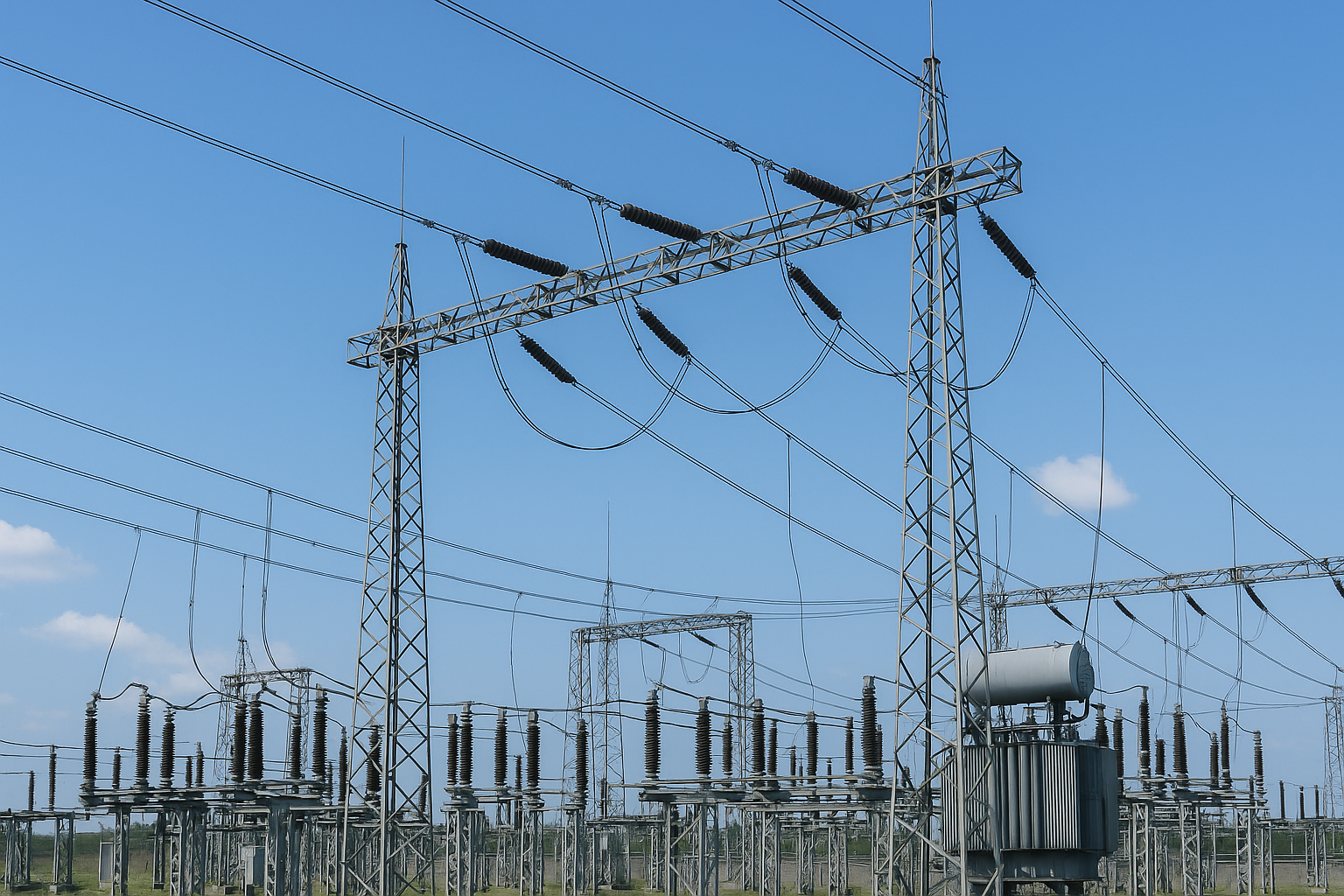
    A power substation is an electrical facility that transforms voltage from high to low or vice versa, depending on the needs of the power grid. Substations serve as the crucial junction points between power generation plants and end-users, enabling the safe and efficient flow of electricity.

    Key Functions of Power Substations

    1. Voltage Transformation
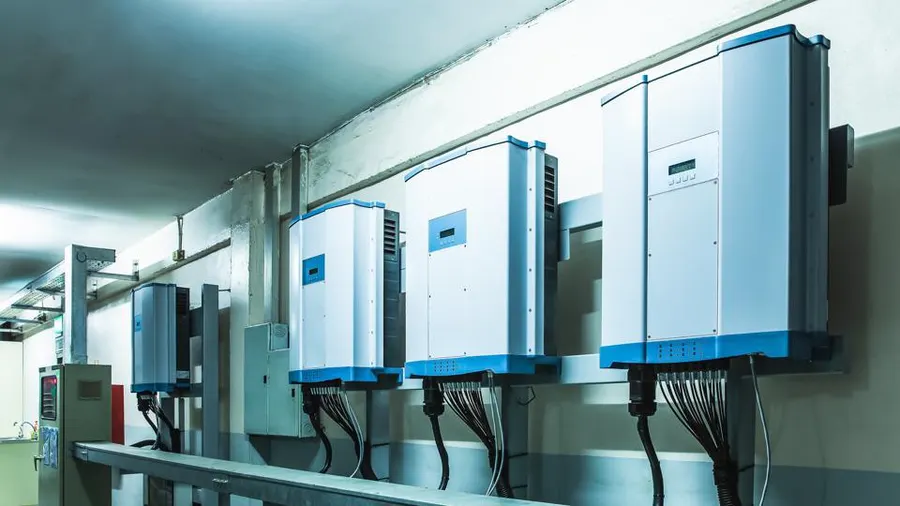
      Substations use transformers to step up voltage for long-distance transmission or step down voltage for local distribution, ensuring electricity reaches homes and businesses at usable levels.
    2. Switching Operations
      Substations can switch electrical circuits on or off for maintenance or fault isolation without interrupting the entire grid.
    3. Protection and Control
      Equipped with protective relays and circuit breakers, substations safeguard the power system from faults, overloads, and short circuits.
    4. Power Quality Management
      Substations monitor and maintain voltage stability and power quality to prevent equipment damage and operational disruptions.

    Main Components of a Power Substation

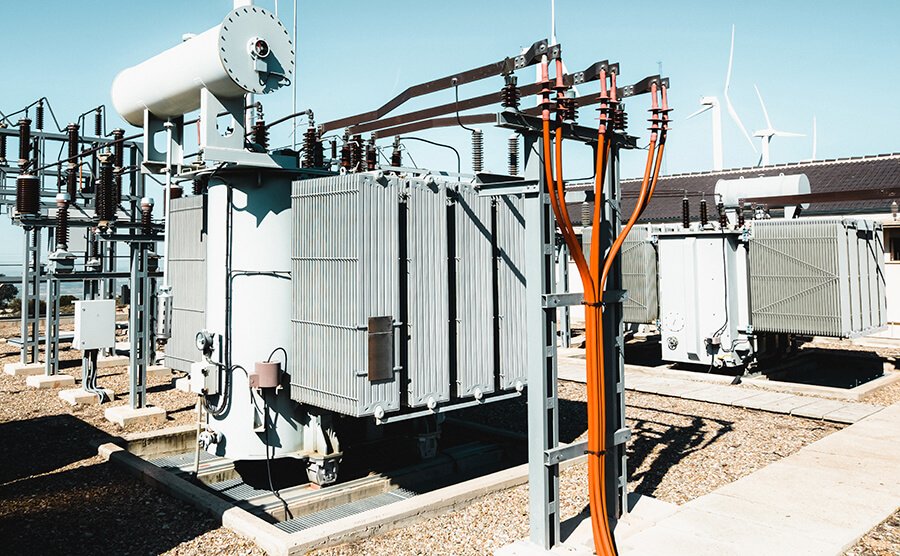
    • Transformers – Change voltage levels between high and low.
    • Circuit Breakers – Interrupt power flow during faults.
    • Disconnect Switches – Isolate equipment safely.
    • Busbars – Conduct electricity within the substation.
    • Protective Relays – Detect abnormal conditions and trigger protective actions.
    • Control Systems – Monitor and manage substation operations remotely.

    Why Are Power Substations Important for Businesses?

    For businesses, especially those relying on heavy machinery and continuous operations, power reliability is non-negotiable. Substations:

    • Ensure consistent voltage levels to prevent damage to sensitive equipment.
    • Minimize power outages by quickly isolating faults.
    • Enable scalable power supply, supporting business growth and expansion.
    • Provide a safe interface between high-voltage transmission lines and low-voltage distribution systems.

    Garcap Power Solutions: Experts in Power Substation Construction & Maintenance

    At Garcap Power Solutions, we specialize in the construction, operation, and maintenance of power substations that support reliable electricity for industries across the Philippines. Our engineering team ensures every project meets the highest safety and quality standards, helping businesses maintain uninterrupted operations.

    Conclusion

    Power substations are the backbone of the electrical grid, playing a vital role in transforming and distributing electricity safely and efficiently. For businesses and stakeholders, understanding these systems can lead to better decisions regarding energy management and infrastructure investments.

    If you want to learn more about power substations or need expert engineering support, contact us today to ensure your power systems are built for reliability and success.


  • The Importance of Energy Conservation: Tips for Reducing Your Energy Use

    The Importance of Energy Conservation: Tips for Reducing Your Energy Use

    Energy conservation is an important issue that affects us all. By reducing our energy use, we can save money on our bills, reduce our carbon footprint, and help protect the environment. In this blog post, we’ll explore the importance of energy conservation and provide some tips and strategies for conserving energy in your home or business.

    Why is Energy Conservation Important?

    There are many reasons why energy conservation is important. Here are just a few:

    1. Save Money: One of the most obvious benefits of energy conservation is that it can help you save money on your energy bills. By reducing your energy use, you can lower your bills and keep more money in your pocket.
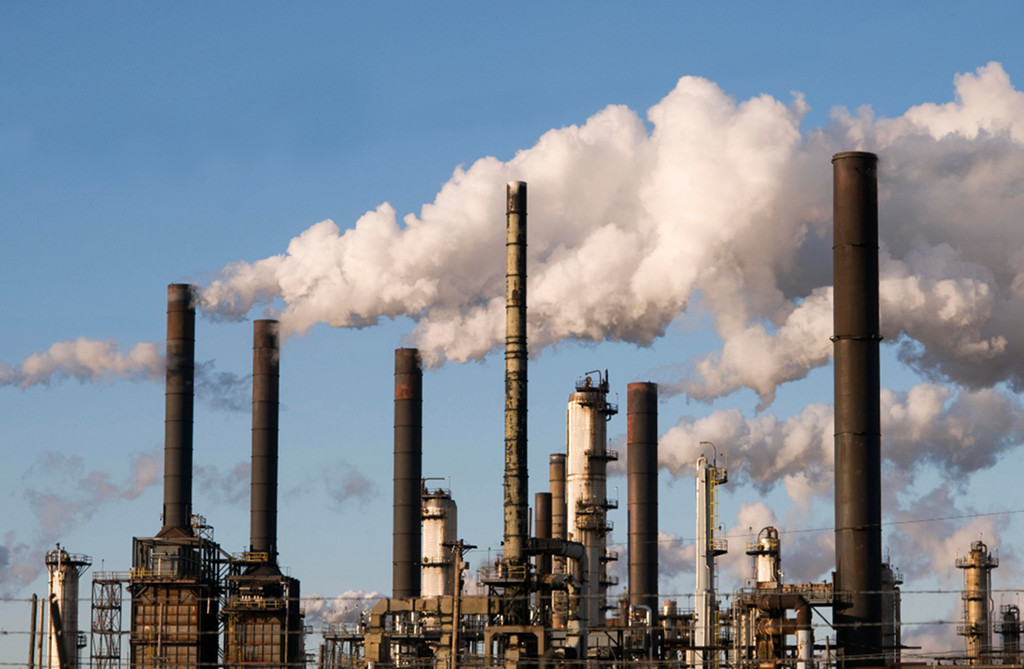
    2. Reduce Your Carbon Footprint: Energy conservation can also help reduce your carbon footprint. When we use energy, we often rely on fossil fuels like coal and oil, which produce greenhouse gas emissions that contribute to climate change. By reducing our energy use, we can help reduce our impact on the environment.
    3. Protect the Environment: Energy conservation can also help protect the environment in other ways. For example, by reducing our reliance on fossil fuels, we can help reduce air and water pollution, protect natural habitats, and preserve biodiversity.
    4. Increase Energy Security: Energy conservation can also help increase energy security. By reducing our reliance on imported energy sources, we can become more self-sufficient and less vulnerable to supply disruptions and price fluctuations.

    Tips and Strategies for Energy Conservation

    Now that we’ve explored the importance of energy conservation, let’s take a look at some tips and strategies for conserving energy in your home or business:

    Energy Conservation
    1. Turn off lights and electronics when not in use: One of the easiest ways to conserve energy is to turn off lights and electronics when you’re not using them. This can help reduce your energy bills and extend the life of your appliances. Consider using power strips to make it easier to turn off multiple devices at once.
    2. Use energy-efficient appliances: Energy-efficient appliances use less energy than traditional appliances, which can help you save money on your bills. Look for appliances with the ENERGY STAR label, which indicates that they meet strict energy efficiency guidelines. When shopping for appliances, consider the size and features you need to avoid buying more than you need.
    3. Seal air leaks: Air leaks in your home or business can cause your heating and cooling systems to work harder than necessary, which can increase your energy bills. Seal air leaks around windows, doors, and other areas to help reduce your energy use. Consider hiring a professional to perform an energy audit to identify areas where you can improve your home’s energy efficiency.
    4. Use a programmable thermostat: A programmable thermostat can help you save energy by automatically adjusting the temperature in your home or business based on your schedule. This can help you save money on your bills and reduce your energy use. Consider setting your thermostat to a slightly higher temperature in the summer and a slightly lower temperature in the winter to save energy.
    5. Use natural light: Instead of using artificial lighting, try to use natural light as much as possible. This can help reduce your energy use and create a more comfortable and inviting environment. Consider installing skylights or larger windows to increase natural light in your home or business.
    6. Unplug chargers and appliances when not in use: Chargers and appliances that are plugged in but not in use can still use energy. Unplug them when you’re not using them to help reduce your energy use. Consider using smart power strips that automatically turn off devices when they’re not in use.
    7. Use energy-efficient lighting: Energy-efficient lighting, such as LED bulbs, can help you save money on your energy bills and reduce your carbon footprint. LED bulbs use up to 80% less energy than traditional incandescent bulbs and last up to 25 times longer. Consider replacing your old bulbs with LED bulbs to save energy and money.
    8. Upgrade your HVAC system: Heating and cooling your home or business can account for a significant portion of your energy bills. Consider upgrading to a more energy-efficient HVAC system to reduce your energy use and save money on your bills. Look for systems with high SEER ratings and consider using a programmable thermostat to maximize energy savings.
    9. Use renewable energy: Renewable energy sources, such as solar and wind power, can help you reduce your reliance on fossil fuels and lower your carbon footprint. Consider installing a solar power system on your home or business to generate your own clean energy. You may also be able to purchase renewable energy from your utility company or through a community solar program.
    10. Practice energy conservation habits: Finally, one of the most important ways to conserve energy is to practice good energy conservation habits. This includes turning off lights and electronics when not in use, using energy-efficient appliances and lighting, and being mindful of your energy use throughout the day. By making energy conservation a habit, you can help reduce your energy use and enjoy the many benefits of reduced energy consumption.

    Conclusion

    Energy conservation is an important issue that affects us all. By reducing our energy use, we can save money on our bills, reduce our carbon footprint, and help protect the environment. By following the tips and strategies outlined in this blog post, you can start conserving energy in your home or business today. Contact Garcap Power Solutions to learn more about how we can help you achieve your energy goals.

  • How Sustainable Manufacturing and Green Technologies are Changing Industry for the Better

    How Sustainable Manufacturing and Green Technologies are Changing Industry for the Better

    Sustainable manufacturing and green technologies are rapidly becoming a top priority for industries around the world. With growing concerns about climate change and environmental degradation, companies are seeking ways to reduce their carbon footprint and operate more sustainably. In this article, we’ll explore how sustainable manufacturing and green technologies are revolutionizing industry and creating a more sustainable future.

    What is Sustainable Manufacturing?

    Sustainable manufacturing is the process of producing goods while minimizing the impact on the environment and preserving natural resources. This includes reducing waste, conserving energy, and using eco-friendly materials and processes. It also involves considering the entire product lifecycle, from design to disposal, to ensure that products are environmentally responsible.

    Green Technologies in Manufacturing

    Green technologies are technologies that are designed to reduce the environmental impact of manufacturing processes. These technologies include renewable energy sources, such as solar and wind power, as well as energy-efficient equipment and processes. Green technologies also include the use of eco-friendly materials, such as biodegradable plastics and recycled materials.

    Benefits of Sustainable Manufacturing and Green Technologies

    Sustainable manufacturing and green technologies offer numerous benefits for both the environment and the economy. By reducing waste and conserving resources, companies can lower their operating costs and increase their profitability. It also helps to reduce greenhouse gas emissions and other pollutants, which can improve air and water quality and protect human health.

    Innovations in Sustainable Manufacturing and Green Technologies

    There are many exciting innovations in sustainable manufacturing and green technologies that are transforming the industrial landscape. For example, 3D printing technology is being used to create products with less waste and energy consumption. Smart manufacturing systems are being developed to optimize energy use and reduce waste. And, renewable energy sources such as solar and wind power are being integrated into manufacturing processes to reduce reliance on fossil fuels.

    Sustainable Manufacturing in Practice

    Many companies are already implementing sustainable manufacturing practices and green technologies to reduce their environmental impact. For example, Unilever, a global consumer goods company, has set a goal to make all of its plastic packaging reusable, recyclable, or compostable by 2025. Nike, a leading athletic apparel company, has developed a closed-loop manufacturing process that recycles old shoes into new ones. And, Tesla, a manufacturer of electric vehicles, is leading the way in sustainable transportation with its zero-emission vehicles and renewable energy solutions.

    Challenges and Opportunities

    While sustainable manufacturing and green technologies offer many benefits, there are also challenges to their implementation. One of the biggest challenges is the cost of implementing new technologies and processes. However, many companies are finding that the long-term benefits of sustainable manufacturing outweigh the initial costs. Another challenge is the need for collaboration and cooperation across the supply chain to ensure that sustainable practices are implemented at every stage of the product life cycle.

    Despite these challenges, sustainable manufacturing and green technologies present significant opportunities for companies to reduce their environmental impact and improve their bottom line. By embracing sustainable manufacturing practices and investing in green technologies, companies can position themselves as leaders in sustainability and gain a competitive advantage in the marketplace.

    Conclusion

    Sustainable manufacturing and green technologies are transforming the industrial landscape and creating a more sustainable future. By reducing waste, conserving resources, and using eco-friendly materials and processes, companies can operate more sustainably and reduce their environmental impact. With continued innovation and investment in green technologies, the industrial sector can play a critical role in addressing the global environmental challenges we face today. The benefits of sustainable manufacturing and green technologies are numerous, and their implementation presents significant opportunities for companies to improve their bottom line while also contributing to a more sustainable future.

  • Powering Your Life: The Importance of Reliable Energy Solutions

    Powering Your Life: The Importance of Reliable Energy Solutions

    In today’s world, reliable energy solutions are more important than ever. From powering our homes and businesses to fuelling our cars and devices, energy is an essential part of our daily lives. In this blog, we will explore the importance of reliable energy solutions and how they can help you power your life.

    The Importance of Reliable Energy Solutions

    Reliable energy solutions are essential for a variety of reasons. First and foremost, they ensure that our homes and businesses have the power they need to function. Without reliable energy, we would be unable to heat or cool our homes, power our appliances, or run our businesses. This can lead to significant disruptions and even financial losses.

    In addition to powering our homes and businesses, reliable energy solutions are also essential for our transportation needs. Electric cars and other vehicles are becoming increasingly popular, and reliable energy solutions are necessary to keep them running. Without reliable energy, we would be unable to charge our vehicles and would be forced to rely on traditional fossil fuels.

    Finally, reliable energy solutions are essential for our devices. From smartphones to laptops, we rely on our devices to stay connected and productive. Without reliable energy, our devices would be unable to function, leading to significant disruptions in our daily lives.

    How Reliable Energy Solutions Can Help

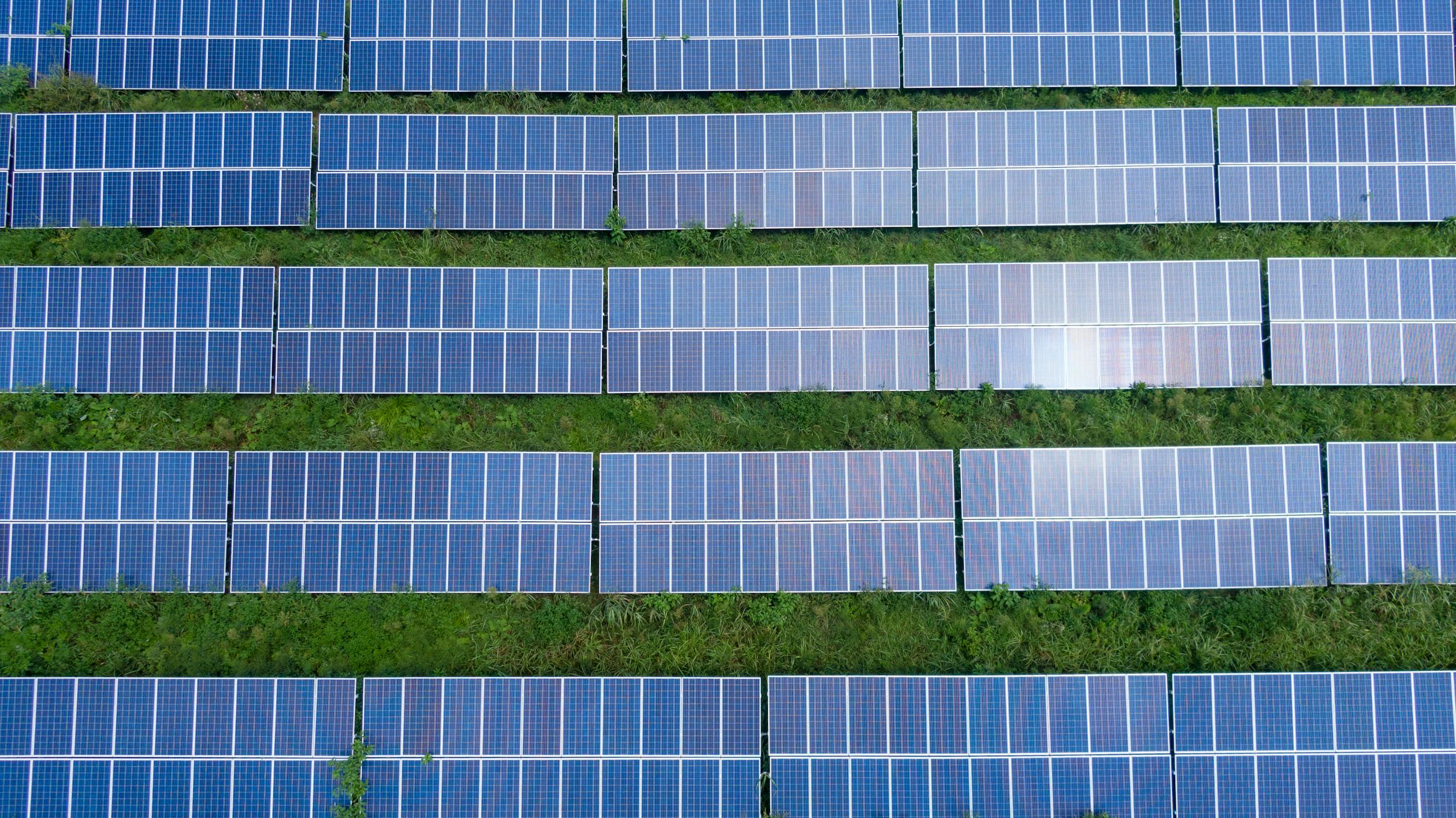
    Reliable energy solutions can help you power your life in a variety of ways. One of the most popular solutions is solar power. Solar panels are a great way to harness the power of the sun and reduce your reliance on traditional energy sources. They are also a great way to save money on your energy bills and reduce your carbon footprint.

    Another solution is battery storage. Battery storage solutions are designed to store excess energy generated by your solar panels, allowing you to use it when you need it most. This can help you reduce your reliance on the grid and ensure that you always have power, even during outages.

    Finally, backup generators are a great way to ensure that you always have power, even during extended outages. They are designed to automatically kick in when the power goes out, providing you with reliable energy until power is restored.

    Solar Power

    Solar Reliable Energy Solutions
    Photo by Kelly from Pexels

    Solar power is one of the most popular and reliable energy solutions available today. Solar panels are designed to capture the energy of the sun and convert it into usable electricity. This electricity can then be used to power your home, business, or vehicle.

    One of the biggest advantages of solar power is that it is a renewable energy source. Unlike traditional fossil fuels, which are finite and will eventually run out, the sun will continue to shine for billions of years. This means that solar power is a sustainable and environmentally friendly energy solution.

    Another advantage of solar power is that it can help you save money on your energy bills. By generating your own electricity, you can reduce your reliance on the grid and avoid paying high energy prices. In some cases, you may even be able to sell excess energy back to the grid, further reducing your energy costs.

    Battery Storage

    Battery storage solutions are designed to store excess energy generated by your solar panels, allowing you to use it when you need it most. This can help you reduce your reliance on the grid and ensure that you always have power, even during outages.

    One of the biggest advantages of battery storage is that it can help you save money on your energy bills. By storing excess energy, you can avoid paying high energy prices during peak hours. You can also use stored energy during outages, reducing your reliance on the grid and ensuring that you always have power.

    Another advantage of battery storage is that it can help you reduce your carbon footprint. By using stored energy instead of energy generated by traditional fossil fuels, you can reduce your impact on the environment and help fight climate change.

    Backup Generators

    Backup generators are a great way to ensure that you always have power, even during extended outages. They are designed to automatically kick in when the power goes out, providing you with reliable energy until power is restored.

    One of the biggest advantages of backup generators is that they provide peace of mind. Knowing that you always have power, even during outages, can help you feel more secure and prepared for emergencies.

    Another advantage of backup generators is that they can help you avoid financial losses. If you run a business or rely on electricity for medical equipment, a power outage can be devastating. Backup generators can help you avoid these losses by providing reliable energy during outages.

    Conclusion

    In conclusion, reliable energy solutions are essential for powering our homes, businesses, vehicles, and devices. Whether you’re looking to reduce your reliance on traditional energy sources, save money on your energy bills, or ensure that you always have power, there are a variety of solutions available to help you power your life. Solar power, battery storage, and backup generators are just a few of the solutions available. Contact a reliable energy solutions provider today to learn more about how they can help you meet your energy needs.

  • Unleashing The Power: Garcap Website 3.0 Takes Off With Enhanced Features And Exciting Upgrades

    Unleashing The Power: Garcap Website 3.0 Takes Off With Enhanced Features And Exciting Upgrades

    Introducing the new Garcap Website

    In today’s digital age, having a strong online presence is crucial for any business. A website is often the first point of contact between a business and its customers, and it can make or break a customer’s impression of the company. That’s why Garcap Power Solutions, Inc. (GCPSI) partnered with GenAssist Digital, a leading web development agency located in Iloilo City, Philippines, to bring their vision to life and launch the new and improved Garcap Website 3.0.

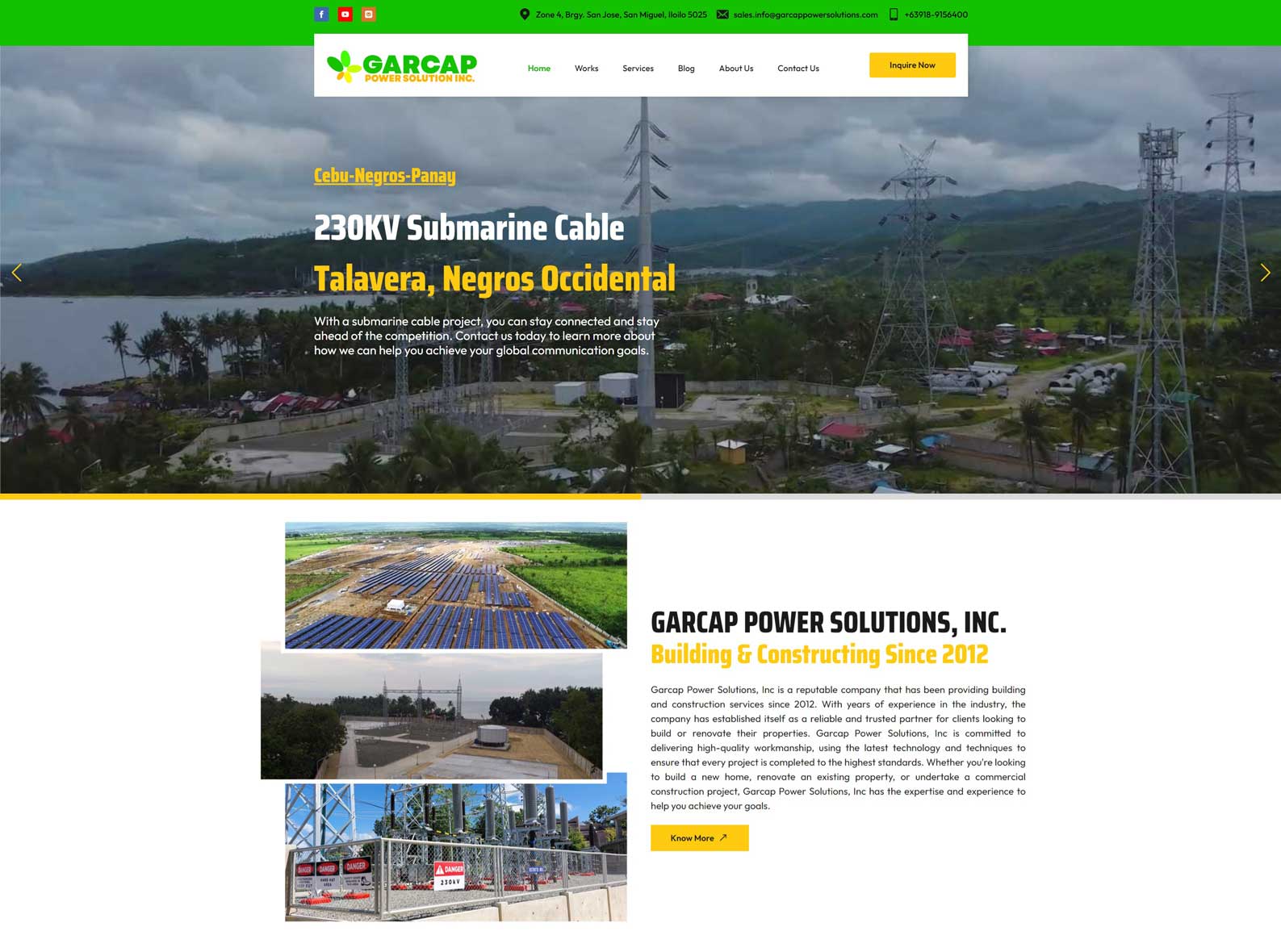
    Garcap Website 3.0 is the result of a successful collaboration between GCPSI and GenAssist Digital. The website features enhanced functionality, improved navigation, and exciting new upgrades that make it easier than ever for customers to learn about GCPSI’s services and stay up-to-date with the latest news and developments.

    Enhanced Features

    Working closely with GenAssist Digital, GCPSI ensured that Garcap Website 3.0 boasts enhanced features that provide an exceptional user experience. The website has been designed with the user in mind, making it easy to navigate and find the information you need. The homepage features a clean and modern design, with clear calls-to-action that direct users to the most important sections of the website.

    GenAssist Digital’s expertise in web development played a crucial role in implementing the enhanced features of Garcap Website 3.0. Their technical proficiency and creative approach helped to optimize the website’s performance and ensure a seamless user experience.

    Improved Navigation

    GenAssist Digital’s expertise in user experience design contributed to the improved navigation of Garcap Website 3.0. The website features a clear and intuitive menu, with dropdown options that provide quick access to the most important sections of the website. Users can easily find the information they need, whether it’s about GCPSI’s services, projects, or news updates.

    Garcap Website

    The website also features a new search function, implemented by GenAssist Digital, which allows users to search for specific information or keywords. This feature is particularly useful for users who are looking for specific details about GCPSI’s services or projects.

    Exciting Upgrades

    In collaboration with GenAssist Digital, GCPSI incorporated exciting new upgrades into Garcap Website 3.0, setting it apart from the competition. One of these upgrades is the new blog archive page, which provides users with access to a wealth of informative and insightful articles. GenAssist Digital‘s expertise in content management systems ensured that the blog archive page is user-friendly and visually appealing.

    Another exciting upgrade is the new careers page, which GenAssist Digital helped to develop. The page provides information about job opportunities at GCPSI, including a list of current openings and details about the company’s culture, values, and benefits. GenAssist Digital’s attention to detail and creative design approach contributed to creating an engaging and informative careers page.

    Benefits of a Strong Online Presence

    Having a strong online presence is crucial for any business, and the collaboration between GCPSI and GenAssist Digital has resulted in a powerful website that showcases GCPSI’s expertise and commitment to excellence. A strong online presence can help businesses to:

    • Reach a wider audience: With the help of GenAssist Digital, Garcap Website 3.0 allows GCPSI to reach customers all over the world, regardless of their location or time zone.
    • Build credibility: The professional and well-designed website developed by GenAssist Digital helps to build credibility and establish trust with customers.
    • Improve customer service: Garcap Website 3.0, with its enhanced features and user-friendly interface, provides customers with easy access to information about GCPSI’s products and services, as well as a way to contact the company with questions or concerns.
    • Stay ahead of the competition: In today’s digital age, having a strong online presence is essential for staying ahead of the competition and attracting new customers. The collaboration between GCPSI and GenAssist Digital ensures that Garcap Website 3.0 stands out from the crowd.

    Conclusion

    The successful collaboration between GCPSI and GenAssist Digital has resulted in the launch of Garcap Website 3.0, a powerful online platform that showcases GCPSI’s expertise and commitment to excellence. With enhanced features, improved navigation, and exciting upgrades, the website provides an exceptional user experience and helps GCPSI to reach a wider audience, build credibility, improve customer service, and stay ahead of the competition.

    GenAssist Digital, as the web development agency located in Iloilo City, Philippines, played a crucial role in bringing GCPSI’s vision to life. Their technical proficiency, creative approach, and attention to detail contributed to the successful development and launch of Garcap Website 3.0. Together, GCPSI and GenAssist Digital have unleashed the power of a strong online presence, setting the stage for continued growth and success in the digital landscape.

  • Unlocking Benefits: Reducing Methane Emissions for a Better World

    Unlocking Benefits: Reducing Methane Emissions for a Better World

    Reducing Methane Emissions play an important role in our world today. Methane is a potent greenhouse gas that is responsible for around 20% of global warming. It is released into the atmosphere through various human activities such as agriculture, fossil fuel production, and waste management. Methane emissions have been increasing steadily over the past few decades, and reducing them has become a critical priority for mitigating climate change. However, the benefits of methane emission reduction go beyond just the environment. In this blog, we will explore how reducing methane emissions can benefit not only the environment but also human health, the economy, and social equity.

    Firstly, let’s discuss the environmental benefits of reducing methane emissions. Methane is a potent greenhouse gas that has a global warming potential 28 times greater than carbon dioxide over a 100-year time frame. This means that reducing methane emissions can have a significant impact on mitigating climate change. Methane is also a short-lived climate pollutant, meaning that it has a shorter lifespan in the atmosphere than carbon dioxide. Therefore, reducing methane emissions can have a more immediate impact on reducing global warming.

    Reducing Methane Emissions

    Reducing methane emissions can also have significant benefits for human health. Methane emissions are often accompanied by other air pollutants such as volatile organic compounds (VOCs) and nitrogen oxides (NOx), which can have harmful effects on human health. VOCs and NOx can cause respiratory problems, cardiovascular disease, and cancer. By reducing methane emissions, we can also reduce the emissions of these harmful air pollutants, leading to improved air quality and better health outcomes for people.

    Health Benefits of Reducing Methane Emissions

    In addition to the environmental and health benefits, reducing methane emissions can also have economic benefits. Methane emissions are often associated with the loss of valuable resources such as natural gas. Methane is the primary component of natural gas, and reducing methane emissions can help to capture and utilize this valuable resource. Capturing and utilizing methane can also create jobs in the energy sector and contribute to economic growth.

    Reducing methane emissions can also lead to social equity benefits. Methane emissions are often concentrated in low-income and marginalized communities, such as those living near landfills or oil and gas facilities. These communities are disproportionately affected by the health impacts of methane emissions and other air pollutants. By reducing methane emissions, we can improve the health and well-being of these communities and promote social equity.

    Strategies for Reducing Methane Emissions

    There are several ways to reduce methane emissions, including improving agricultural practices, reducing waste, and capturing and utilizing methane from oil and gas operations. Let’s explore each of these in more detail.

    Improving agricultural practices can significantly reduce methane emissions. Methane is produced during the digestion process of livestock, and manure management also contributes to methane emissions. By improving livestock diets, reducing herd sizes, and implementing better manure management practices, we can reduce methane emissions from agriculture. In addition, practices such as conservation tillage and cover cropping can help to sequester carbon in the soil, further mitigating climate change.

    Reducing waste is another effective way to reduce methane emissions. Landfills are a significant source of methane emissions, as organic waste decomposes and produces methane. By reducing the amount of waste sent to landfills through recycling and composting, we can reduce methane emissions. In addition, capturing and utilizing methane from landfills can provide a valuable source of energy.

    Capturing and utilizing methane from oil and gas operations is another effective way to reduce methane emissions. Methane is often released during the production, processing, and transportation of oil and gas. By capturing and utilizing this methane, we can reduce emissions and create a valuable source of energy. In addition, reducing methane emissions from oil and gas operations can help to improve the industry’s environmental performance and reduce its impact on local communities.

    Reducing methane emissions can have significant benefits for the environment, human health, the economy, and social equity. Methane is a potent greenhouse gas that contributes to global warming, and reducing its emissions can help to mitigate climate change. Methane emissions are also often accompanied by other harmful air pollutants, and reducing them can improve air quality and human health. Capturing and utilizing methane can also create jobs and contribute to economic growth. Finally, reducing methane emissions can help to promote social equity by improving the health and well-being of marginalized communities. By implementing effective methane reduction strategies, we can create a more sustainable and equitable future for all.

    Find the article infromative? You can read more on our blog.

  • Submarine Cables: Enabling Global Connectivity and Powering the Digital World

    Submarine Cables: Enabling Global Connectivity and Powering the Digital World

    What is a Submarine Cable?

    Submarine cables are a critical component of the global telecommunications network, providing high-speed data transmission between continents and countries. These cables are laid on the ocean floor and connect countries and continents, enabling the transmission of voice, data, and video signals across the world.

    Submarine cables are made up of several layers of protective materials, including steel wire, copper, and polyethylene. The cables are designed to withstand the harsh ocean environment, including extreme temperatures, pressure, and saltwater corrosion.

    The first submarine cable was laid in 1850, connecting England and France. Since then, the technology has advanced significantly, and today, there are over 400 submarine cables spanning over 1.2 million kilometers of ocean floor.

    Submarine cables are typically laid by specialized ships equipped with cable-laying equipment. The process involves laying the cable on the ocean floor and burying it in the seabed to protect it from damage caused by fishing nets, anchors, and other hazards.

    Submarine cables are used for a wide range of applications, including internet connectivity, international phone calls, and financial transactions. They are also used for scientific research, including the study of ocean currents, marine life, and climate change.

    The importance of submarine cables in the global telecommunications network cannot be overstated. They are a critical part of the infrastructure that enables businesses, governments, and individuals to communicate and exchange information across the world.

    Submarine cables are designed to provide high-speed data transmission, with some cables capable of transmitting data at speeds of up to 20 terabits per second. This high-speed data transmission is essential for businesses that rely on real-time data exchange, such as financial institutions and stock exchanges.

    In addition to providing high-speed data transmission, submarine cables are also essential for international phone calls. Without submarine cables, international phone calls would be prohibitively expensive and unreliable.

    Submarine cables are also used for scientific research, including the study of ocean currents, marine life, and climate change. By providing real-time data transmission, submarine cables enable scientists to study the ocean and its inhabitants in unprecedented detail.

    Despite their importance, submarine cables are not without their challenges. The harsh ocean environment can cause damage to the cables, and repairing them can be a complex and expensive process. In addition, the cables are vulnerable to damage from fishing nets, anchors, and other hazards.

    To mitigate these risks, submarine cables are designed to be highly resilient and are protected by multiple layers of protective materials. In addition, regular maintenance and repair are essential to ensure that the cables remain in optimal condition.

    In conclusion, submarine cables are a critical component of the global telecommunications network, providing high-speed data transmission between continents and countries. They are essential for businesses, governments, and individuals who rely on high-speed internet connectivity and international communication. As our reliance on digital communication continues to grow, submarine cables will remain a critical part of the global infrastructure.

  • Powering Up: The Most Sustainable Ways to Save Electricity

    Powering Up: The Most Sustainable Ways to Save Electricity

    Electricity is a vital part of our daily lives, but it can also be a significant contributor to our carbon footprint. As we become more aware of the impact of our energy consumption on the environment, it’s essential to find sustainable ways to save electricity. Here are some of the most effective ways to reduce your energy consumption while also being environmentally conscious.

    1. Invest in energy-efficient appliances

    One of the most effective ways to save electricity is to invest in energy-efficient appliances. Energy-efficient appliances use less energy than traditional appliances, which can significantly reduce your energy consumption and lower your energy bills. Look for appliances with the ENERGY STAR label, which indicates that they meet strict energy efficiency guidelines set by the U.S. Environmental Protection Agency.

    1. Use LED light bulbs

    LED light bulbs are a great way to save electricity and reduce your carbon footprint. LED bulbs use up to 80% less energy than traditional incandescent bulbs and last up to 25 times longer. While LED bulbs may be more expensive upfront, they will save you money in the long run by reducing your energy bills and the need for frequent bulb replacements.

    1. Install a solar panel system

    Installing a solar panel system is one of the most sustainable ways to save electricity. Solar panels generate electricity from the sun, which is a renewable and clean source of energy. By installing a solar panel system, you can significantly reduce your reliance on the grid and lower your energy bills. Additionally, many states offer incentives and tax credits for installing solar panels, making it an even more cost-effective solution.

    1. Use a programmable thermostat

    A programmable thermostat is an excellent way to save electricity and reduce your energy bills. Programmable thermostats allow you to set the temperature of your home or office based on your schedule, so you’re not wasting energy when you’re not there. By reducing your energy consumption, you can lower your energy bills and reduce your carbon footprint.

    1. Unplug electronics when not in use

    Many electronics continue to use energy even when they’re not in use, which can significantly contribute to your energy consumption. To save electricity, unplug electronics when they’re not in use or use a power strip to turn them off completely. By reducing your standby power consumption, you can save energy and reduce your carbon footprint.

    In conclusion, saving electricity is not only good for your wallet but also for the environment. By investing in energy-efficient appliances, using LED light bulbs, installing a solar panel system, using a programmable thermostat, and unplugging electronics when not in use, you can significantly reduce your energy consumption and lower your carbon footprint. Let’s all do our part to save electricity and protect the planet.

  • Optimizing Transformer Performance: A Complete Guide to Maintenance

    Optimizing Transformer Performance: A Complete Guide to Maintenance

    Oil-filled transformers are an essential component of electrical power systems. They are used to step up or step down voltage levels, and they play a critical role in the transmission and distribution of electrical power. However, like any other piece of equipment, oil-filled transformers require regular maintenance to ensure their reliable and safe operation. In this blog, we will discuss the importance of maintaining oil-filled transformers, the types of maintenance required, and best practices for transformer maintenance.

    Why is Transformer Maintenance Important?

    Transformers are expensive pieces of equipment, and their failure can result in significant downtime and repair costs. In addition, transformer failures can cause power outages, which can have serious consequences for businesses and individuals. Regular maintenance of oil-filled transformers can help to prevent failures and extend the life of the equipment. Maintenance can also help to identify potential problems before they become serious issues, allowing for timely repairs and replacements.

    Types of Transformer Maintenance

    There are several types of maintenance required for oil-filled transformers, including visual inspections, electrical testing, and oil analysis.

    Visual Inspections

    Visual inspections are the most basic form of transformer maintenance. They involve a visual examination of the transformer to identify any signs of damage or wear. During a visual inspection, the technician will look for signs of oil leaks, corrosion, and physical damage to the transformer. They will also check the condition of the bushings, tap changers, and cooling system. Visual inspections should be performed regularly, and any issues identified should be addressed promptly.

    Electrical Testing

    Electrical testing is another important form of transformer maintenance. It involves testing the electrical components of the transformer to ensure they are functioning correctly. Electrical testing can include tests such as insulation resistance testing, winding resistance testing, and turns ratio testing. These tests can help to identify potential problems with the transformer’s electrical components, such as insulation breakdown or winding damage.

    Oil Analysis

    Oil analysis is a critical form of transformer maintenance that involves testing the oil in the transformer for signs of contamination or degradation. The oil in a transformer serves several important functions, including cooling, insulation, and arc suppression. Over time, the oil can become contaminated with moisture, particulate matter, and other contaminants, which can degrade its performance. Oil analysis can help to identify these contaminants and determine the condition of the oil. Based on the results of the oil analysis, the technician can determine whether the oil needs to be replaced or if additional maintenance is required.

    Best Practices for Transformer Maintenance

    To ensure the reliable and safe operation of oil-filled transformers, it is essential to follow best practices for transformer maintenance. Some of the best practices for transformer maintenance include:

    1. Develop a maintenance schedule: A regular maintenance schedule should be developed and followed to ensure that all necessary maintenance tasks are performed on time.
    2. Use qualified technicians: Transformer maintenance should only be performed by qualified technicians with the necessary training and experience.
    3. Follow manufacturer recommendations: The manufacturer’s recommendations for maintenance should be followed to ensure that the transformer is maintained correctly.
    4. Keep records: Records should be kept of all maintenance performed on the transformer, including visual inspections, electrical testing, and oil analysis.
    5. Address issues promptly: Any issues identified during maintenance should be addressed promptly to prevent them from becoming serious problems.
    6. Monitor performance: The performance of the transformer should be monitored regularly to identify any changes or issues that may require maintenance.

    Oil-filled transformers are critical components of electrical power systems, and their reliable and safe operation is essential. Regular maintenance of oil-filled transformers can help to prevent failures and extend the life of the equipment. Maintenance can also help to identify potential problems before they become serious issues, allowing for timely repairs and replacements. By following best practices for transformer maintenance, we can ensure the reliable and safe operation of oil-filled transformers and the electrical power systems they support.